Every fireplace tells a story. Some start with a wood stove and a newfound love of shoulder-season fires. Others begin with an older gas fireplace that came with the house and a homeowner wondering if it’s still safe to use. After twenty years of crawling roofs, brushing flues, and tuning up hearth systems, I’ve learned that the best chimney service blends craftsmanship with detective work. It’s not only about removing soot. It’s about reading the system as a whole, understanding how heat, fuel, and air move through a structure, and leaving the home safer and cleaner than we found it.
That’s the heart of West Inspection Chimney Sweep. We handle thorough chimney inspections, precise chimney cleaning service, and we install, repair, or retrofit fireplace inserts to match how you actually live. Whether you want the effortless convenience of a gas fireplace insert, the ambiance of electric fireplace inserts, or the traditional feel of a wood-burning fireplace insert, we approach each job with practical judgment and clear communication.
Why clean matters more than it used to
Modern homes are tighter. New windows, extensive weatherstripping, and high-efficiency HVAC systems reduce infiltration. That’s good for your utility bills, but it changes how chimneys and vents draft. Slight negative pressure can pull smoke or combustion gases back into the house, especially in basements or when a powerful kitchen range hood is running. When flues are constricted by creosote or debris, draft gets weaker, and the risk rises.
I’ve seen a small birds’ nest, hidden in an offset, produce enough backpressure to blow smoke into a living room on the first cold night of the season. I’ve also seen a quarter-inch of creosote glaze, which looks harmless, ignite into a hot, roaring fire that rattled the damper and cracked the flue tile. Regular chimney cleaning service, paired with honest chimney inspections, keeps the system smooth and predictable. It’s not glamorous, but it’s what prevents emergencies.
What a thorough inspection looks like
A proper chimney inspection starts even before a brush touches the flue. It starts on the curb and the front walk. We look for staining patterns on the exterior masonry, spalling brick faces, cracked crowns, or an aging chimney cap. Any of these can send water into the system, which accelerates damage. Water plus soot makes an acidic paste that eats mortar and metal.
Inside, we evaluate the firebox, throat, smoke chamber, and damper. We test the damper to make sure it seals and moves freely. In older homes, especially those from the 1960s through the 1980s, I often find smoke chambers with rough corbelling that slows airflow and catches creosote. A chamber parge can smooth those surfaces and improve performance. If the appliance is a gas fireplace, we inspect the gas valve, pilot assembly, log set, burner ports, and the glass seal. For a gas fireplace insert, we also check the co-linear venting system and termination cap, because even a one-inch displacement can cause delayed ignition or soot on the glass.
When conditions warrant, we move to a Level 2 inspection with a camera. The camera reveals cracked flue tiles, misaligned joints, missing mortar, or warping in a stainless liner. I’ve seen tiles that look perfect from the top and bottom but show a stair-step fracture in the middle third of the stack. That’s the sort of fault that can leak hot gases into surrounding wood framing. Nobody wants a hidden ignition point in a chase.
Good inspection reports are plain language with photos, not jargon. We document findings, severity, and recommended steps, along https://dallasngoo931.trexgame.net/electric-fireplace-inserts-for-apartments-and-condos-a-smart-choice with budget ranges. Some recommendations are optional, like cleaning light soot from a chimney that hasn’t been used in a year, while others are critical, like repairing a deteriorated crown that’s letting rain wash down the flue.
Cleaning isn’t one-size-fits-all
Sweeping techniques depend on the system and the build-up. A straight, round, stainless liner serving a wood stove is typically cleaned with poly rods and a plastic brush, bottom-up or top-down. A masonry flue that has heavy stage-three creosote requires more finesse. Rotary chains on a low speed can strip the hard glaze without damaging the tile, but it’s slow work and not every chimney can be restored. If the glaze is thick, we may recommend a liner retrofit after we clear the worst of it.
For gas fireplaces and gas fireplaces inserts, the target is different. Modern gas units burn clean, but they still collect fine dust in the air intake, spiders can nest in pilot orifices, and the log set can shift. That’s why gas fireplace service includes vacuuming and brushing the burner area, cleaning the pilot and thermopile, verifying millivolt output, checking manifold pressure, re-seating and sealing the glass, and verifying vent continuity. If the glass fogs again quickly or you see soot triangles on the logs, the air shutter or vent balance likely needs attention.
Electric fireplace inserts don’t vent combustion, but they still deserve a look. We check wiring integrity, remote sensors, fan noise, and how the insert sits within the surround. Loose trim rattles. High spots in the opening can transmit vibration. Quiet operation is part of the comfort you’re paying for.
The rhythm of maintenance
There’s a simple rule of thumb for wood-burning systems: inspect annually, sweep as needed. “As needed” usually means every face cord or two of wood, depending on the stove and your burning habits. If you heat with wood all winter, plan on a mid-season check as well. For gas fireplaces and gas fireplaces insert units, yearly service keeps them reliable and efficient. Sealed systems can drift out of spec over time, and it’s better to catch issues before the first truly cold week when technicians are backed up.
Apartment and condo complexes sometimes ask whether they can stretch the interval. In multi-unit buildings with shared chases and sidewall terminations, the risk calculus changes. One blocked termination can affect an adjacent unit. I’ve found wind-driven rain that corroded a cap on the sunny side of a building because of swirling eddies. That’s one reason West Inspection Chimney Sweep tracks model numbers and serials for these addresses and keeps a parts inventory ready for them. Downtime is a big deal when multiple residents are affected.
Considering a fireplace installation or an insert
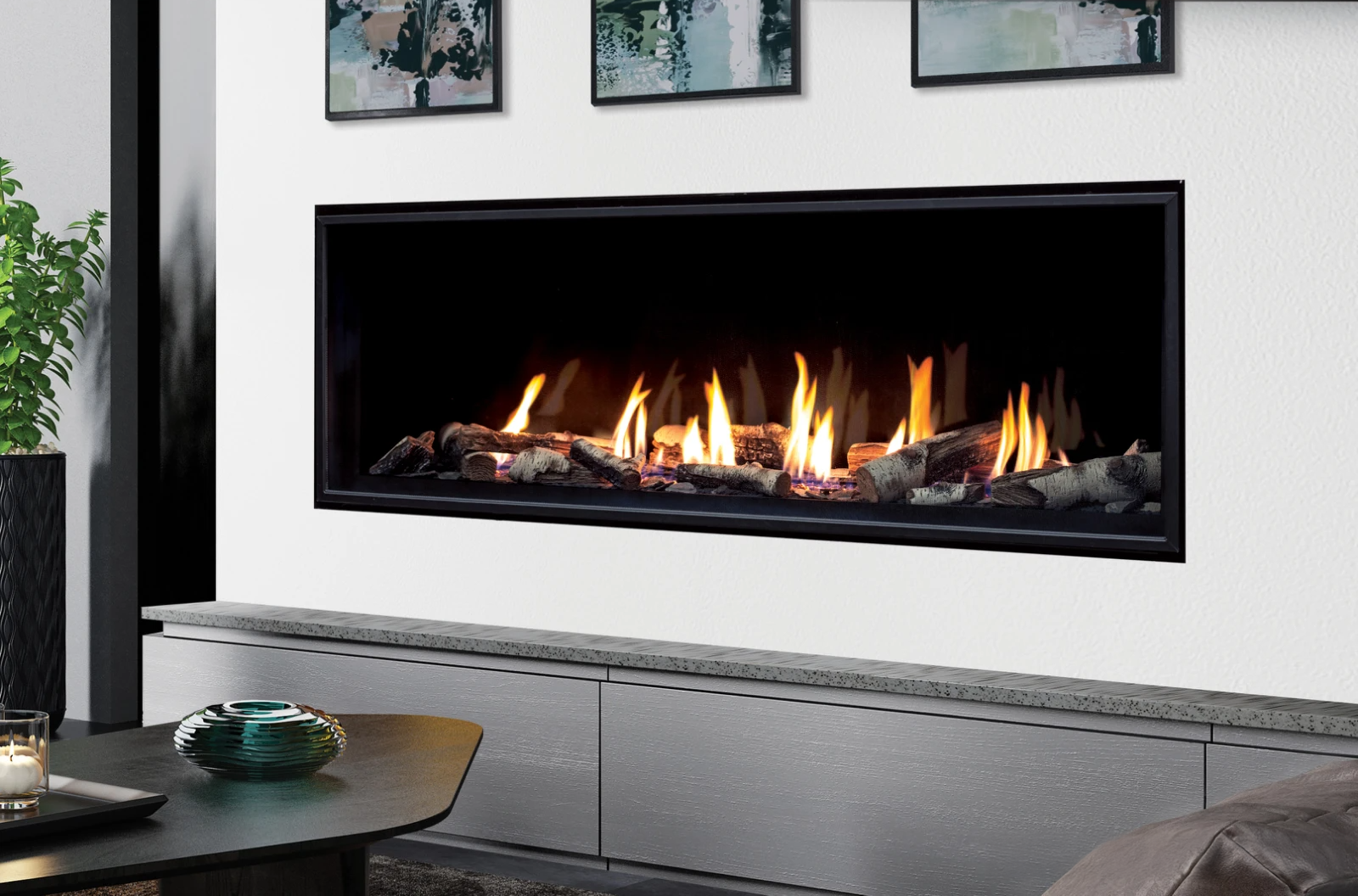
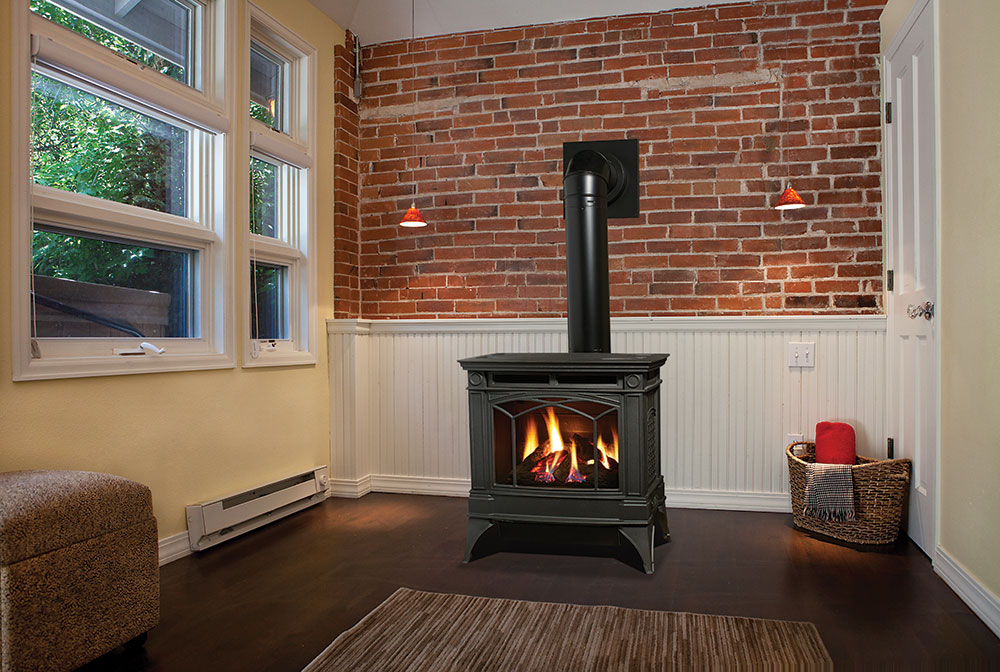
Fireplace installation isn’t only about aesthetics. It’s about honoring the building envelope and the mechanical systems already in place. A direct-vent gas fireplace, for example, can make sense in a tight room because it draws combustion air from outside and sends exhaust directly outdoors through a coaxial pipe. A gas fireplace insert is suited for an existing masonry fireplace that rarely sees wood fires but holds sentimental value. Drop in a quality insert, run a co-linear vent up the chimney, and you gain zone heat with a remote. Electric fireplace inserts solve different problems. They create ambiance and supplemental heat where venting is impractical, such as interior walls or in basements with structural obstructions.
I often ask homeowners three questions before we choose a path. First, what’s your primary goal: heat, ambiance, or both. Second, how much interaction do you want. Some folks love stacking wood, tuning air controls, and tending a flame. Others want a button that delivers a clean fire at 6 a.m. Third, how does the room breathe. High CFM range hoods, whole-house fans, and tight construction can push you toward a sealed, direct-vent solution.
Costs vary widely. A straightforward electric fireplace insert, installed into an existing opening with a dedicated circuit run, might land in the low thousands depending on trim and electrical work. A mid-range gas fireplace insert with venting up a two-story chimney, custom surround, and gas line work often falls in the mid to high thousands. A full masonry rebuild or a zero-clearance gas fireplace with a new chase on an exterior wall is a larger investment. We lay out options in tiers, with clear, itemized scope so you understand where the money goes.
Safety is the baseline, not an add-on
The best-looking fire isn’t worth much if the system is unsafe. We treat smoke and carbon monoxide alarms as part of the hearth system, not a separate concern. I keep spare sealed-lithium CO detectors on the truck for a reason. If we’re already in the home and your detector is expired or missing, we’ll recommend a replacement and show you how to test it.
With wood-burning systems, clearances to combustibles are often misunderstood. Mantels, trim, built-in bookcases, and TV mounts all need to respect the unit’s tested clearances. If you’re eyeing a fireplace insert, we’ll measure and check the manual for that specific model, then propose a surround that protects finishes from radiant heat. On older masonry fireplaces that were altered by a previous owner, we sometimes find a firebox that was deepened or widened without adjusting the smoke chamber. That can cause chronic smoke roll-out. The fix might be a smoke guard, a throat adjustment, or, better, an insert that controls airflow and venting.
Gas deserves careful attention. A gas fireplace or insert should have a clean, tight gas line with a proper shutoff within reach of the unit. Sediment traps, flexible connector length limits, and appliance regulators matter. I’ve seen units starved for gas because a small section of black iron was under-sized for a run of several appliances. Pressure testing and a quick load calculation solve that puzzle before it becomes a nuisance flame that keeps going out.
What sets a good sweep apart
Homeowners often tell me their last sweep “did the job in 20 minutes.” Sometimes the flue was really that clean. Just as often, the service skipped the places that make a difference. A thoughtful sweep takes time to protect the work area, uses the right tools, and explains what they’re doing without upselling every minor issue.
West Inspection Chimney Sweep trains techs to recognize patterns. For example, a damper handle that is hard to move in autumn may indicate humidity swelling and surface rust. A few minutes with a wire brush and lubricant can keep it moving all winter. A fine peppering of black dots on gas log glass suggests the air shutter is too tight. Adjust it and the flame brightens, the glass stays cleaner, and the room warms evenly.

Pictures are proof. We provide before and after shots of the smoke chamber and flue, and if we recommend repair work, we show why. A cracked crown, a deteriorated mortar joint, a misaligned damper plate, or a fogged gas seal looks different when you see it.
The interplay of indoor air and chimneys
Negative pressure can make even a well-built chimney misbehave. I once worked on a new home where the wood fireplace smoked, even though the flue was tall and straight. The culprit turned out to be a 900 CFM kitchen hood paired with make-up air that was undersized and poorly ducted. Every time the range ran, the living room went negative and the fireplace struggled. We solved it with a passive air kit dedicated to the firebox and a recalibrated make-up air damper. The point is, draft isn’t only a chimney problem. It’s a house problem.
Bath fans, clothes dryers, attic fans, and tightly sealed windows all affect draft. During inspections, we’ll sometimes crack a window to see if the fire perks up. If it does, we discuss options: an outside air kit, a direct-vent gas fireplace, or a slightly different operating routine. If your home is truly tight, direct vent is often the best performance and safety choice.
When an insert is the right answer
Fireplace inserts give old masonry fireplaces new life. A good wood-burning insert can turn a drafty room into a warm, usable space on the coldest nights. You gain a sealed door, controlled combustion, and a stainless liner that resists condensation and creosote buildup. Modern inserts often produce long, clean burns thanks to secondary combustion and catalytic or hybrid technologies. The trade-off is routine maintenance. Catalytic units require periodic inspection of the combustor, and you’ll need dry wood, preferably under 20 percent moisture. We check with a meter on site and show you how to test your own wood.
A gas fireplace insert changes the daily routine even more. You keep the classic fireplace look, but now the flame is on a switch, the heat is controllable, and the mess is minimal. Good units have variable speed fans, adjustable flame beds, and safety screens that protect curious hands. If you have a tight schedule or want reliable zone heat without hauling wood, a gas insert is efficient and practical.
Electric fireplace inserts shine in spaces where venting is impossible or gas lines are cost prohibitive. They deliver ambiance and supplemental warmth with minimal fuss. The better models use reflected LED light and resin logs that look surprisingly convincing. I recommend placing them on dedicated circuits when possible to avoid nuisance trips, especially if you use the heater mode often.
What you can do between visits
The best maintenance partnership pairs homeowner attention with professional service. Here is a short, high-impact checklist that keeps your hearth in top shape between visits:
- Burn seasoned wood and store it off the ground with airflow on all sides. Check your smoke and CO detectors monthly and replace batteries annually if applicable. Watch for changes: slower startup, smokier fires, or unusual odors mean it’s time to call. For gas units, keep the area around the intake and exhaust clear of leaves and snow. Vacuum dust from electric insert intake grilles gently with a brush attachment.
The reality of budget and timing
Chimney and fireplace work sees a seasonal swing. Calls soar when the first frost arrives. If you want a fireplace installation completed by the holidays, summer is your friend. You’ll have more options for custom surrounds, tile, and mantel work without rush charges. Chimney cleaning service in April or May might feel early, but you avoid the queue and catch water issues before summer storms.
On pricing, transparency keeps everyone comfortable. We provide ranges upfront and firm quotes after inspection. If we uncover surprises during a job, we pause, show what changed, and discuss options. Most homeowners appreciate a good-better-best set of solutions. Not every chimney needs a top-tier stainless cap with bird and spark screening, but many do, and we’ll explain the difference in performance and lifespan.
The service call, from arrival to wrap-up
Expect a knock on the door at the scheduled time, shoe covers on, and floor protection down before tools come inside. We review your goals for the visit, ask about any smoke or odor issues, and then get to work. For a sweep and inspection, we typically start inside to protect the home while the flue is cool, then head to the roof. For gas fireplace service, we isolate power and gas, clean the unit, check pressures and safety features, and re-assemble with a final burn and draft check. If we perform chimney inspections with a camera, we narrate as we record so the visual makes sense later.
When we leave, the room is as clean as we found it, often cleaner, and you have a clear document of what we did. If there’s follow-up work, you know the scope, cost, and timeline. If everything looks good, you have peace of mind and a note on the calendar for the next seasonal check.
How we handle special cases
Historic homes demand respect. Mortar in older chimneys often needs lime-based materials rather than modern Portland-heavy mixes that can be too hard and crack surrounding brick. We flag that early. For listed properties, we coordinate with preservation guidelines, sometimes using stainless liners that allow the exterior masonry to remain untouched while upgrading safety inside.
Manufactured homes and factory-built fireplaces bring different rules. They are tested as systems. You can’t casually swap components without voiding the listing. If a damper handle or a termination cap is missing, we replace it with the correct part, not a “close enough” substitute. That matters in the event of insurance claims.
Outdoor fireplaces and fire pits look simple but still deserve thought. Wind patterns, proximity to structures, and the type of fuel all change how they behave. If you add a gas log set to an outdoor fireplace, choose materials rated for outdoor use and confirm drainage. I have seen more than one beautiful outdoor hearth suffer freeze-thaw damage because water collected in cavities.
What to expect from West Inspection Chimney Sweep
The name says a lot about how we work. Inspection is not an afterthought. It is the backbone of every service. We pair that with the right tools, strong manufacturer relationships, and a schedule that makes sense. When you call, you speak with someone who understands both chimney cleaning service and the nuances of installation. When a technician arrives, they carry the fittings, brushes, gaskets, and meters they’re likely to need. If a gas control module fails, we can often replace it on the first visit. If your flue needs a liner, we measure and design a solution that respects both performance and aesthetics.
We also keep an eye on regional factors. In areas with heavy snow load, we use caps that shed drifts and break up ice. In coastal zones, we choose 316 or 2205 stainless that stands up to salt air. In wildfire-prone regions, we recommend spark arrestor caps and defensible space planning around exterior chimneys and vents. Each choice reflects lessons learned from homes like yours.
The reward: a fireplace you trust and enjoy
A fireplace should be easy to love. It should light when you need it, draw cleanly, and anchor a room without nagging worries about smoke or fumes. With the right mix of chimney inspections, cleaning, and thoughtful upgrades like a fireplace insert, that’s not a high bar. It’s the standard.
If you’re deciding between a gas fireplace and a wood-burning insert, or you’re curious whether an electric fireplace insert can transform a room without opening walls, we can walk you through the trade-offs, show examples, and tailor a plan. If your goal is simple, just a safe sweep and a checkup, we’ll do that with care.
From soot to sparkling clean isn’t only a tagline. It’s a promise built on thousands of ladders climbed, hundreds of camera passes, and more than a few stubborn bolts coaxed loose. Call when you’re ready. We’ll bring the drop cloths, the brushes, the gauges, and the judgment that comes with experience, then leave you with a fireplace that works the way it should.