Fireplace inserts turn an inefficient, drafty hearth into a practical heat source that looks good and behaves predictably. If you have an existing masonry or factory-built fireplace and you want more warmth, better control, or a different fuel, an insert is often the smartest route. The learning curve can feel steep the first time around. The choices span wood, gas, and electric, and the details range from venting to clearances to electrical circuits. This guide walks through the decisions like a seasoned installer would, with trade-offs, numbers, and the small things that often get missed.
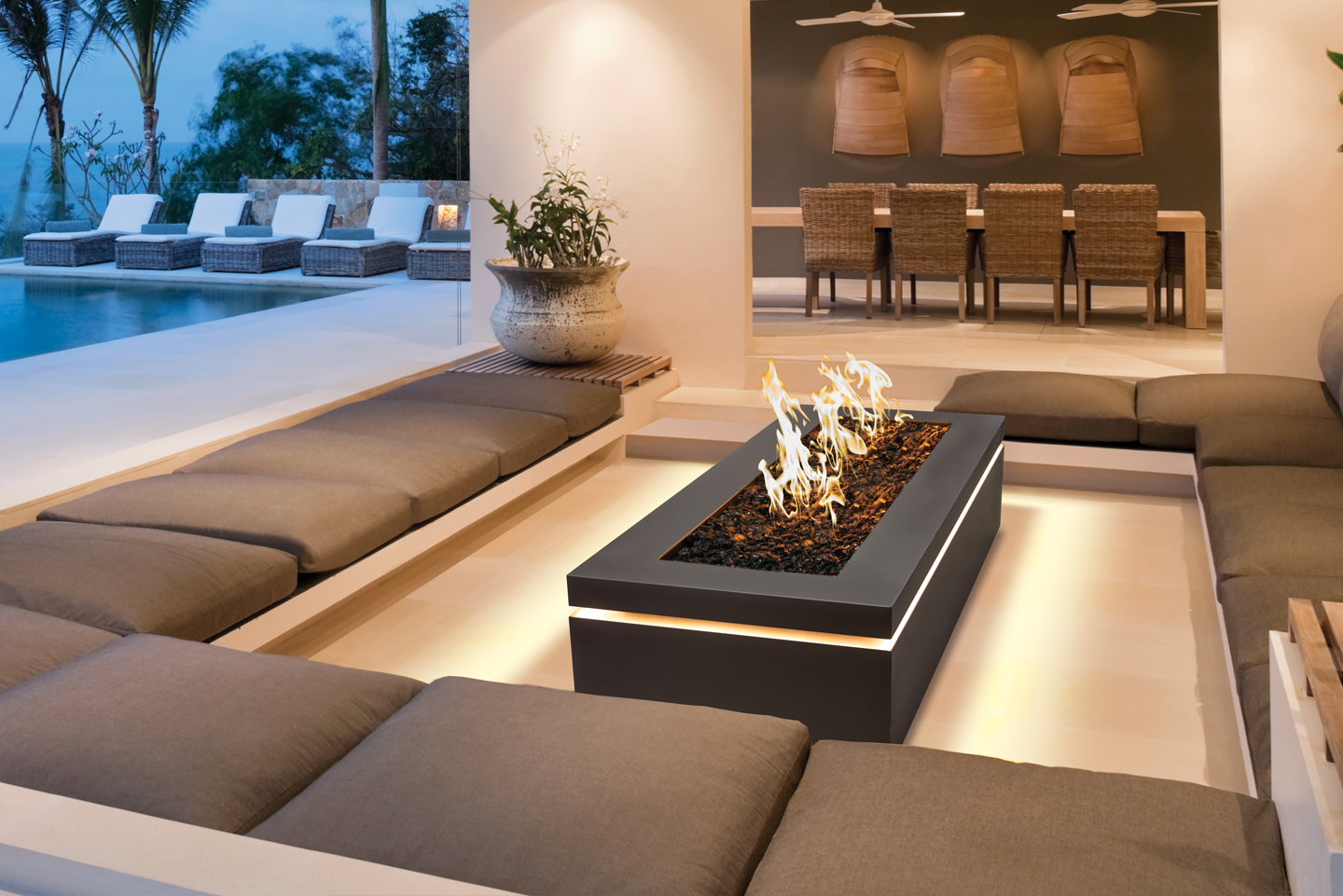
What a Fireplace Insert Actually Is
A fireplace insert is a sealed heating appliance designed to fit inside an existing fireplace opening. Think of it as a high-efficiency firebox that slides into your old firebox. It typically includes a metal surround to cover gaps, a glass front, and a dedicated venting path up the chimney or through a wall. Inserts come in three main flavors: wood-burning, gas, and electric. Each has strengths and compromises, and the right pick has more to do with your home’s constraints and daily habits than with any single feature.
A good insert fixes the two biggest flaws in open fireplaces. First, it stops conditioned air from rushing up the chimney. Second, it gives you controlled, predictable heat. Many homeowners see their gas bill drop in winter once they seal off that big thermal hole and add zone heat in the room they actually use most.
The First Decision: Fuel Type and Lifestyle Fit
Start with how you live, not with a brochure. Do you want to chop, stack, and season wood, or push a button and walk away? Are you in a condo with strict venting rules, or a single-family home with a full-height masonry chimney? I usually ask clients three questions: how much heat do you need, how tidy do you want the experience to be, and what does the building allow?
Wood inserts deliver the most off-grid heating potential. They’re perfect in places where outages are common and where a well-seasoned wood supply is straightforward. Look for EPA-certified units with high efficiency ratings and low particulate emissions. Expect real heat, often enough to warm large living areas, but also ash cleanup and the discipline of dry firewood. A modern wood insert can run 6 to 10 hours per load when properly sized and fed dry wood.
A gas fireplace insert trades the romance of crackling logs for pure convenience. With a thermostat or remote, you get instant ignition, steady flame, and one-touch shutoff. Heat output ranges widely, but most homeowners land in the 20,000 to 35,000 BTU per hour range for medium rooms. A gas insert needs a gas line and a vent, usually a co-linear liner up the chimney: one tube for exhaust, one for combustion air. If you like the idea of heating only the rooms you use without dragging the whole furnace along, gas inserts shine.
Electric fireplace inserts focus on ambiance with minimal install complexity. They need an electrical circuit and nothing more. No combustion, no vent. The better models provide supplemental heat, often around 1,500 watts, which is roughly 5,100 BTU per hour. That will take the chill off a den or bedroom but won’t replace a furnace. The flame effects are surprisingly convincing on premium units, and some let you enjoy the look without heat. Apartments and interior rooms are prime candidates for electric fireplace inserts because you avoid venting entirely.
Sizing: Heat Output, Room Volume, and Real Expectations
The biggest mistake is oversizing. People tend to picture the coldest day of the year and buy for that. Oversized inserts short-cycle and make rooms uncomfortably hot, especially gas units with limited turndown ratios. Undersized units leave you wishing for more on those January nights. Aim for the middle curve, where the unit operates steadily most of the season.
To ballpark, start with the room plus adjacent open areas. Measure length, width, and ceiling height. A 16 by 20 foot room with a standard 8 foot ceiling has about 2,560 cubic feet. If your climate leaves you with mild winters, the required output might be 15 to 20 BTU per square foot. Colder regions push that closer to 30 or more. Translating to inserts, many suburban living rooms feel right with a gas insert rated around 25,000 BTU, a wood insert in the 1.6 to 2.4 cubic foot firebox range, or an electric unit used strictly as supplemental heat. Look at real-world turndown numbers on gas, not just the maximum. A 30,000 BTU insert that can throttle down to 12,000 gives you more usable days than a unit that bottoms out at 22,000.
For wood inserts, firebox volume, efficiency, and burn technology matter as much as raw BTU claims. A well-designed 2.0 cubic foot box with secondary combustion and a tight door gasket often beats a larger, sloppy box. If the manufacturer lists tested efficiency and emissions, pay attention. Lower grams per hour typically means cleaner, more stable burns once the fire is established.
Venting and Chimney Realities
Venting is where many projects go off the rails. An insert has to breathe correctly. For gas, that usually means two thin aluminum or stainless liners running up your existing flue: one bringing combustion air down, one sending exhaust up. This sealed system isolates the combustion from your living space. A proper termination cap at the top is not optional, and on tall chimneys the installer may add a restrictor or damper plate to stabilize draft.
Wood inserts need a full stainless liner from the insert to the chimney cap, sized to the appliance. Dropping a small liner into a wide masonry flue without insulation can cause creosote buildup and weak draft. Insulated liners help keep flue gases warm, which keeps them moving and reduces condensed tar. The surround panel hides the original firebox opening, but behind that panel, the liner connection and block-off plate around the damper area make a big efficiency difference. A tight block-off plate stops heat from pouring into the smoke chamber cavity instead of your room.
Electric inserts are simple. No vent required, though you still need to consider cable routing, a dedicated circuit if the heater will run often, and clearances for airflow intakes and exhausts.
Always have the chimney inspected before you commit. A level two inspection with a camera shows cracked tiles, offsets, or obstructions that could complicate a liner drop. A seasoned west inspection chimney sweep or similar service can tell you if the chimney crown, cap, or flashing needs work at the same time, saving you a second trip up the roof.
Safety, Codes, and Clearances That Matter
There are three sets of rules you must respect: the appliance manual, the local building code, and common sense. The manual is the law for clearances to combustibles, hearth extension dimensions, and venting specifics. Local codes may add requirements, especially for seismic strapping, exterior terminations, or gas shutoff locations. Common sense covers what codes can’t predict, like the fact that a throw rug in front of a wood insert will eventually catch embers.
For gas fireplace inserts, you need a properly sized gas line and a readily accessible shutoff valve. If the run is long or the house pressure is low, have the installer do pressure-drop calculations and adjust the orifices or regulator as specified. Improper gas pressure leads to lazy flames, soot on the glass, and nuisance shutdowns.
For wood inserts, the hearth extension must be non-combustible and sized per the manual, often 16 inches in front and 8 inches to the sides, sometimes more. Verify the R-value of any hearth pad if the manufacturer requires insulated protection. Some older hearths are decorative brick over wood framing with little thermal mass. Heat can bake that wood over time. If the manual calls for a specific R-value, meet it with certified materials, not guesswork.
For electric, the safety concerns skew toward electrical load and cord management. A 1,500 watt heater can share a circuit in some homes, but if the circuit already feeds lighting and an outlet strip, nuisance tripping will follow. A clean, dedicated 15-amp circuit prevents headaches.
Chimney Inspections and Cleaning: Not Optional
Before fireplace installation, schedule professional chimney inspections. Even if you burned only a couple fires last year, a camera can reveal a cracked smoke shelf or a failed crown that lets water into the flue. Water plus soot equals acids that eat mortar joints. For wood inserts, a full chimney cleaning service clears soot and creosote that would otherwise shake loose once you start running hotter, longer burns with the new insert.
Once the insert is in, maintain a schedule. Gas fireplaces and gas fireplace inserts leave less soot, but they still need annual service to check gaskets, clean the glass, verify combustion, and clear any nests at the cap. Wood needs more attention. If you’re burning daily through winter, plan on a mid-season sweep plus one after the season ends. Electric fireplace inserts spare you the chimney work, yet their fans and heaters benefit from dust cleaning and a quick check of wiring and connections.
Costs, Rebates, and Hidden Line Items
Budgeting goes beyond the sticker price of the insert. Gas usually requires running a gas line, sometimes 20 to 40 feet with a crawlspace or basement route. Expect to pay for the vent liner kit, termination cap, surround, and labor. Wood adds a stainless liner, insulation wrap, a block-off plate, and possibly hearth modifications. Electric seems cheap until you include framing or aesthetic upgrades to make the opening look intentional.
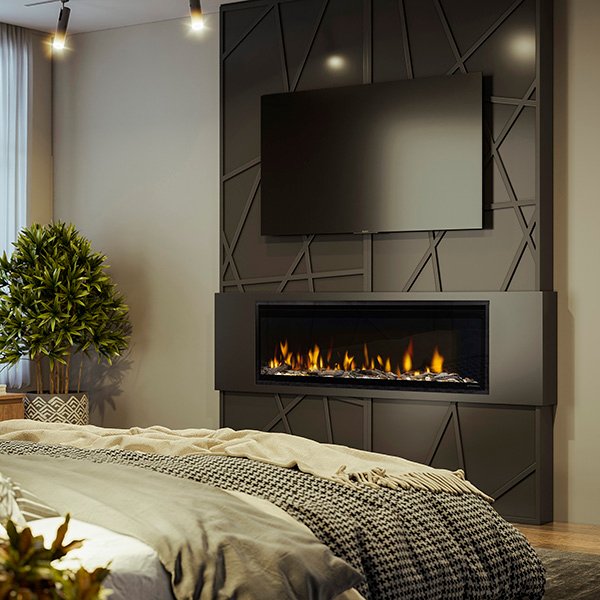
Numbers vary by region, but as a rough range: electric inserts with finish work often land between a few hundred dollars for a basic unit and a couple thousand with framing or cabinetry. Gas inserts with a new liner and gas line commonly fall into the 3,000 to 6,500 bracket installed, more if you add custom stonework. Wood inserts, liners, and hearth upgrades typically land in the 3,500 to 7,500 range.
Keep an eye on incentives. Some efficient wood inserts qualify for tax credits on the appliance cost. Utilities sometimes offer rebates on gas fireplaces that meet certain efficiency criteria. Save every manual and receipt. If you sell the house, buyers like seeing evidence of permitted work and recognized brands.
Aesthetics: Flames, Logs, and Surrounds
Looks matter because a fireplace occupies prime visual territory. Gas fireplaces have improved dramatically in flame realism. On a showroom floor, look past the tallest flames on high setting and judge the insert at medium and low. That’s what you’ll be seeing most nights. Log sets vary. Hand-painted ceramic logs with ember beds and reflective liners add depth, but a busy room can look cluttered behind a reflective glass. Try a matte black liner if your space already has a lot of shine.
Wood inserts carry the natural charm of a real fire. Big viewing windows, air-wash systems that keep glass cleaner, and contemporary doors can shift the style from rustic to modern. If you want a minimalist look, a narrow surround and flush installation align nicely with linear design language. For traditional rooms, a larger trim panel restores that classic fireplace presence.
Electric gets to cheat with creativity. Multi-color flame effects, ember media like crushed glass or driftwood, and adjustable brightness let you tune the mood. If the room’s purpose varies, electric makes it easy to change the feel for movie night versus a quiet reading hour.
Install Path: What To Expect From Day One
A typical project starts with a site visit. The installer measures the firebox opening, hearth depth, header height, and chimney height. They examine the smoke shelf and damper area to plan the liner route and check the clearance to combustibles around the fireplace. If you hear the phrase “that liner might snag on an offset,” they’re being honest. Masonry flues built decades ago often include offsets, and sometimes tiles protrude. A skilled team carries a tile breaker and flexible liner sections to navigate.
Once the plan is set, a good crew sequences the job to minimize mess. For wood or gas, they protect floors, remove the damper or notch it if the manual allows, fabricate a block-off plate if needed, then drop the liner. The top plate and termination cap go on before they connect the liner to the insert. Gas projects include pulling a permit, pressure testing the gas line, and setting a shutoff in an accessible place, usually behind the lower panel. Electrical tasks for blowers or igniters get folded in too.
At the end, they place and level the insert, add the surround, test draft and flame characteristics, set blower speeds, and walk you through controls. Ask for a full demonstration. For gas, learn how to relight after a power outage, how to read the diagnostic codes if any, and how to remove the glass safely for cleaning. For wood, practice the startup routine, air control, and how to read flue temperature with a probe thermometer. For electric, verify the heater cycles correctly and that the circuit holds under load.
Efficiency and Performance: Where the Numbers Meet Reality
EPA efficiency ratings and manufacturer BTU claims get you in the ballpark, but room performance depends on house tightness and air circulation. In open floor plans, a small ceiling fan on low can move heat away from the fireplace insert without creating a draft. In closed floor plans, doorways create bottlenecks. Try running a small fan in an adjacent hallway blowing cool air toward the insert room. It feels counterintuitive, but bringing cool air in displaces warm air out, which evens temperatures.
Gas inserts often include variable-speed blowers. Use them. Heat creeping up and pooling at the ceiling doesn’t help. Some thermostats on gas inserts modulate flame height, not just on and off. That keeps the glass from overheating and maintains comfort. If a gas fireplace smells faintly like hot dust for the first few burns, that’s normal curing of paint and adhesives. It should dissipate after a handful of hours.
Wood inserts reward discipline. Burn seasoned wood, under 20 percent moisture. Buy a simple moisture meter and split a log before testing. Surface readings lie. Get bypass damper models up to temperature before engaging secondary combustion, then throttle down slowly. A smoldering fire belches smoke and wastes fuel. A hot, clean burn keeps the glass clear and the chimney safe.
Electric inserts are straightforward. The heater is essentially a space heater with a better wrapper. If your room never quite warms up, consider adding a rug to reduce heat loss to a cold floor, closing off leaks around windows, or running the insert earlier to preheat the space.
Maintenance Routines That Extend Life
Plan on annual service even for gas and electric units. Gaskets on gas doors harden, pilot assemblies collect lint, and batteries in remotes die at the worst times. Schedule a visit before the first frost so you are not calling during the first cold snap when service calendars are jammed. For wood, keep an ash bucket with a tight lid nearby and treat ash like it holds live coals for at least 24 hours. I have seen ashes relight after a day of looking completely dead.
A chimney cleaning service should leave you with before-and-after photos. If they report glazed creosote, do not ignore it. Glaze is a sign of low flue temperatures or wet wood. Adjust your burning habits and verify the liner insulation. For gas fireplaces, request a combustion analysis if the tech has the equipment. It https://www.safehomefireplace.ca/fireplaces/gas/gas-fireplaces/ takes minutes and confirms the unit is running within specs.
Common Pitfalls and How To Avoid Them
People often underestimate the importance of the surround fit. A loose surround shows gaps that draw room air behind the insert, which steals heat. Ask the installer to seal edges discreetly with high-temperature materials. Another common misstep is forgetting the oxygen needs of a tight home. Gas inserts draw outdoor air through their liner, but wood inserts consume room air. If your home is very tight or you run a range hood and bath fans at the same time, draft can falter. Cracking a nearby window an inch during startup often stabilizes the wood fire until the flue is fully warm.
Power outages expose weak plans. Gas inserts with standing pilots will still light without household power, but most modern units use electronic ignition and need electricity to run the valve and blower. Some keep a small flame mode without power, but heat output drops. If you buy a gas insert for outage heat, ask specifically whether it operates during a blackout and to what extent. Wood inserts, of course, run without power, though the blower won’t push heat. Electric inserts go dark when the grid does. In rural areas, pair the insert decision with a whole-house or portable generator strategy if outages are frequent.
Finally, don’t skip permits. It seems tempting to move fast, but gas and venting are not the place for shortcuts. A permitted fireplace installation with signed-off chimney inspections gives you safety and resale value. Insurance adjusters will ask for proof after a fire. Make sure you have it.
When a Professional Beats DIY
I have seen competent DIYers tackle electric fireplace inserts confidently, especially when the project is mainly carpentry and finish work. Gas and wood inserts cross into specialized territory. Running gas lines, sizing regulators, navigating offsets with liners, and fabricating block-off plates in tight smoke chambers take practice and tools most homeowners do not own. A certified installer reads the appliance manual like a blueprint and documents the job for future techs. If you do part of the project yourself, coordinate with the pro early, not after you’ve sealed the wall.
Quick Selector: Which Insert Fits Your Scenario
- You want real heat during outages, have access to dry wood, and don’t mind ash cleanup: a wood fireplace insert with a full insulated liner and a proper hearth extension. You want dependable, easy zone heat with a thermostat and realistic flames, and you can run a gas line: a gas fireplace insert with co-linear venting up the chimney. You live in a condo or interior room without a viable vent path, and heat needs are modest: an electric fireplace insert on a dedicated circuit, possibly integrated into a built-in wall feature.
Working With Local Pros
A reputable shop will start with questions, not a sales pitch. They’ll look at your chimney cap from the ground and, ideally, send a camera up the flue. They should welcome a third-party opinion too. If you’re in an area served by west inspection chimney sweep or similar companies, use them to benchmark quotes and scope. A thorough proposal lists the insert model, liner type and diameter, termination style, surround dimensions, gas line path, electrical needs, and the scope of any masonry or carpentry. It should also include chimney inspections before and after. If you see vague language in the venting section, ask for specifics.
The Payoff: Comfort, Efficiency, and Peace of Mind
A well-chosen insert changes how a house feels in winter. You get a room that warms quickly when you want it, with controllable flame, predictable costs, and a sealed system that stops drafts. The energy math works, particularly when a gas insert lets you run the central furnace less and a wood insert gives you a reliable backup when storms take the grid down. An electric insert might not move the needle on heating bills, but it boosts ambiance and comfort in spaces where venting is impossible.
Dial the project in by matching the fuel to your lifestyle, sizing correctly, respecting venting and clearances, and committing to regular maintenance. With the right partners for fireplace installation and the discipline of scheduled chimney inspections, you’ll get the look you want and the heat you paid for, without surprise smells, soot, or safety worries. And on that first cold evening after the install, when the room settles into a steady warmth and the glass glows, the space will feel finished in a way no space heater or open hearth ever could.