Cold weather has a way of exposing whatever we ignored in August. Chimneys, fireplaces, and vents work quietly most of the year, then become mission-critical the day the temperature drops. I’ve crawled through enough attics and leaned into enough flues to know that a clean-looking hearth can still hide problems, and a small issue in October can grow teeth by January. A pre-winter inspection isn’t a luxury. It is a safety check, an efficiency tune-up, and a chance to save money before repair work becomes urgent and expensive.
What a real inspection looks like
People hear chimney inspections and think of a quick glance up the flue with a flashlight. A proper inspection covers the chimney from firebox to cap, including components most homeowners never see. Pros often talk about three levels of inspection. In simple terms, a basic check assesses accessible parts, a camera inspection evaluates the internal flue from top to bottom, and an invasive inspection opens concealed areas if there’s evidence of hidden damage. Not every chimney needs the full treatment each year, but there is a reason these tiers exist.
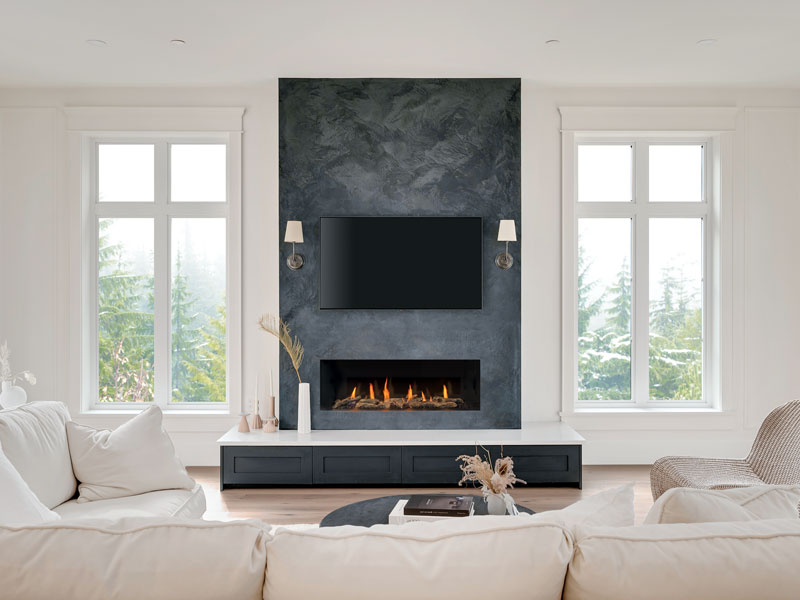
A genuine pre-winter visit includes a hard look at the firebox, grate, and damper; a sweep of the flue if there’s visible soot or glazed creosote; measurements of clearances around combustibles; and a walk of the roof to inspect the crown, cap, and flashing. If I’m on site, I also run a camera through the flue. It is the only way to confirm the liner is intact, joints are tight, and there are no offsets packed with debris. A reputable chimney cleaning service will bring the right brushes, rods, HEPA vacuums, and video equipment, then leave the room cleaner than they found it.
The winter risks you don’t see from the couch
The hazard that worries me most is creosote. It is the tar-like byproduct of burning wood at cooler temperatures or with poor airflow, and it doesn’t take a roaring fire to create it. Even a few weekend burns can lay down a coating fine enough to catch ember sparks. Once it glazes into a hard, glossy layer, it becomes stubborn. I’ve seen flues where the brush sound changes from scratch to slick and you know you’ve hit glaze. Those need specialized treatment, not a standard sweep.
Another hidden risk is a cracked liner. Masonry flues can develop hairline fractures from thermal shock. Metal liners can warp or separate at seams. Either way, smoke and carbon monoxide can leak into walls and attics where you’ll never sniff it. Add to that animal nests, leaf clogs under a cap, failing mortar joints, or a loose damper that never fully opens, and you have a system that chokes on its own exhaust. In cold weather, stack effect pulls harder on the house. If the chimney is constricted or back-drafting, that negative pressure drags smoke and gases into living spaces.
Ice and freeze-thaw add their own chapter. Water finds cracks in crowns and brick faces, then expands when it freezes. One season can turn a hairline crack into a crumbling edge that lets in more water. That moisture drips to the smoke shelf and mixes with soot, creating a corrosive paste that chews at metal parts and smells awful. When I hear the faint clink of loose crown fragments under the cap, I know we’re looking at a crown repair before the real cold sets in.
Timing matters, and so does the weather window
Pre-winter means before the first sustained freeze. In most regions, late September through early November is the sweet spot. Schedule earlier if you burn a lot or run a wood stove as primary heat. If you see smoke spillage, smell sharp creosote odor, or hear scratching in the flue, don’t wait for a seasonal slot. Get on the calendar right away.
Weather affects what can be done safely. Crown repairs need dry conditions to cure. So does masonry waterproofing. Cap replacements are roof work, so wind and slick shingles can push a job a week. If the forecast is tight, a good provider will triage: clean and inspect now, then schedule exterior fixes on the next dry day.
How often a chimney needs attention
There is no single number that fits every home. An occasional, low-temperature fire in a well-drafted fireplace might need a sweep every 30 to 50 fires or once a year. A wood stove running daily creates a different creosote profile, often heavier in the first few feet of the flue where gases cool. Gas fireplaces and inserts produce less soot, but they carry their own inspection needs: verifying venting, checking logs and burners, confirming CO pathways are sealed and unobstructed. Even an electric fireplace insert benefits from a seasonal check to confirm clearances, cord condition, and whether the unit sits level with proper airflow.
My rule of thumb: inspect yearly, sweep as needed, and never skip a camera run after any chimney fire, lightning strike, or if you’ve changed appliances. A new gas fireplace insert or a wood-burning insert changes draft dynamics. When an insert slides into a masonry firebox, the flue must be resized and relined to match the appliance. If you don’t, smoke condenses, creosote increases, and the insert runs inefficiently. The variability here is why a west inspection chimney sweep - a seasoned pro serving your local climate and building styles - is worth having on speed dial.
What I look for during a pre-winter visit
At the hearth, I start with the firebox and damper. Cracked firebrick, missing mortar, or a damper that binds or won’t seal are quick flags. Rodent sign in the ash pit hints at missing clean-out covers or gaps. In factory-built units, warped metal panels and discolored sections tell their own story about overheating.
At the throat, I check the smoke shelf for heavy soot deposits, then move to the flue with lights and a camera. A tile-lined masonry flue should show intact joints. If I see step cracks, missing mortar bridges, or offset tiles loaded with creosote, we plan for cleaning and potential relining. Stainless liners should run smooth with secure clamps. If vermiculite or old insulating wrap is present, I handle it carefully and explain options for modern insulation that meets current codes.
On the roof, I inspect the crown for cracks, measure the cap fit, and check for bird guards that don’t choke airflow. Flashing sits at the chimney’s base where it meets the roof. Stains or lifted edges here are early signs of water entry. I also watch chimney height relative to roof ridges. A short stack in a turbulent wind zone can back-draft. Sometimes a simple cap with a taller screen or a draft-improving design can solve a persistent smoke problem.

If a gas appliance ties into the chimney, I test the draft with a manometer when possible and check for spillage at the draft hood. Soot on a gas log set usually means a combustion issue, not just dirt. That calls for a burner cleaning, adjustment, and sometimes a conversation about replacement if parts are obsolete.
The right time to clean versus the right time to repair
Sweeping solves soot and creosote, but it won’t fix airflow if the flue is https://trevorpeba834.raidersfanteamshop.com/why-west-inspection-chimney-sweep-is-essential-before-winter undersized for the appliance or the chimney is colder than the house pressure can overcome. The tough calls come when a chimney has marginal integrity. If a flue tile is missing, I will not sign off on a burn, even if the rest looks clean. The risk of heat transfer into framing is not theoretical. I’ve seen charcoal-black studs in walls adjacent to gaps.
Repairs vary in scope. Crown cracks can often be repaired with a high-bond crown coat, as long as the base is stable. Spalling brick may require tuckpointing or replacement. A failed liner means relining, and that opens a conversation about fuel choices. If a wood-burner is moving to a gas fireplace, a new liner sized correctly for the BTU output and venting requirements is part of the job. If a homeowner wants to keep wood, an insulated stainless liner can tighten draft, reduce creosote, and protect surrounding masonry.
Wood, gas, or electric: choosing the right fire for your home
The romance of a wood fire is real, but so is the work. Storage, seasoning, and ash removal become a rhythm for the season. If you burn wood, plan for at least a yearly sweep and a mid-season check if you run daily. Hardwood properly seasoned for a year or more cuts creosote formation. Damper management matters: opening it fully at start, then moderating, prevents the cool smoldering burns that coat flues.
Gas fireplaces and gas fireplace inserts have made huge strides in realism and efficiency. They start when you want heat and stop the same way. With direct-vent systems, combustion air comes from outside and exhaust exits outside through a sealed path. That means indoor air isn’t consumed and drafts are minimized. For many families, especially with young kids or allergies, this is the right balance of ambience and safety. Still, gas fireplaces are not set-and-forget. Annual checks should include CO testing, leak checks, and verification that the venting is clear. If the flame pattern looks lazy or tips yellow, the burners may be dirty or air shutters need adjustment.
Electric fireplace inserts solve different problems. They don’t need venting and they can slide into an existing firebox or a custom cabinet anywhere with power. In tight homes or apartments, electric fireplace inserts provide visual warmth and supplemental heat without combustion. The maintenance is light - dusting, checking cords - and there’s no creosote. The trade-off is that you depend on electricity, and the heat output is modest compared to gas or wood. If you want flames without fuel logistics, an electric fireplace insert is a legitimate, low-risk option.
When clients ask me where fireplace inserts fit, I explain that an insert converts an open hearth (notoriously inefficient) into a controlled combustion box. A wood insert with a proper stainless liner can raise efficiency significantly, and a gas fireplace insert can turn an unused hearth into a dependable heat source. The key is matching the insert to the chimney’s size and condition. A poor fit wastes money and creates new safety issues.
Draft, makeup air, and why houses matter
Older homes leak air. Newer homes hold it. Neither is automatically good for a fireplace. In tight construction, a wood or gas fireplace can struggle for combustion air, especially with kitchen exhaust or bath fans running. When that negative pressure wins, smoke and exhaust can spill. I’ve solved countless “mysterious smoke” complaints by cracking a window near the hearth. That is a test, not a permanent fix. The long-term solution is adding a dedicated makeup air source or choosing a sealed direct-vent gas fireplace that pulls its own air from outside. You can’t cheat the physics of pressure.
Chimney height and routing affect draft as well. Long horizontal runs, elbows, or flues that terminate near taller roof elements can stall movement. Cold exterior chimneys sometimes need insulation or a liner to maintain flue gas temperature. If you’ve ever watched a fire refuse to catch on a damp, cold morning until you prime the flue with a lit newspaper held near the throat, you’ve met this problem.
What a reputable chimney cleaning service brings
There’s more to this trade than brushing soot. Certifications matter because they prove hours on ladders, in courses, and under mentors. That said, experience counts just as much. A good tech will listen to how you use the fireplace, ask about smells, smoke patterns, and any past repairs, then tailor the inspection to those clues. Cleanliness and documentation are part of professionalism. Expect before-and-after photos, a written report with findings and recommendations, and clear pricing for any work proposed. If the quote leaps straight to replacement without evidence, ask questions. If someone offers a price far below the market and promises same-day everything, be cautious.
Here is a simple pre-visit checklist that helps both sides:
- Clear the hearth area of rugs, firewood, and decor for about six feet to let equipment in and keep soot off soft surfaces. Avoid running the fireplace for 24 hours beforehand so creosote and embers are cool and safe to work around. Note any odors, smoke roll-out, or unusual noises. A few observations guide the inspection. If you have pets, plan to gate them. Vacuums and ladders can stress animals. Gather installation or service records for your fireplace, fireplace insert, or gas fireplaces if you have them.
Fireplace installation: when replacement beats repair
Some chimneys have reached the end of their safe life as-is. When repairs stack up - deteriorated crown, spalled brick, failing liner, poor draft - you have a decision to make. In many homes, a modern insert paired with a new liner solves multiple problems at once. With a wood insert, you keep the spirit of a log fire, gain efficiency, and reduce creosote. With a gas fireplace insert, you gain reliability, instant heat, and easier maintenance. If you want flames with virtually no maintenance, electric fireplace inserts achieve that at the cost of lower heat.
For new builds or major remodels, full fireplace installation with a direct-vent gas fireplace is worth a hard look. These systems maintain indoor air quality by sealing combustion from the living space, they scale in size and design, and they work well in tight homes. The installation details matter: vent length limits, clearances from framing, termination locations relative to windows, and gas line sizing. A sloppy install becomes a chronic headache. A conscientious install disappears into daily life, which is the point.
The economics of inspection and prevention
I keep records. Over the years, the pattern is clear: homes with yearly chimney inspections spend less on urgent repairs and almost never experience severe chimney fires. The delta isn’t subtle. A preventive sweep and minor crown repair in October might run a few hundred dollars. Ignore it and the freeze-thaw cycle can turn that into a spring rebuild with scaffolding, masonry work, and liner replacement. For gas units, annual service catches failing thermocouples, clogged pilot assemblies, and small leaks before they shut down heat on the coldest night.
Insurance companies look closely at fire claims tied to chimneys. Documentation of regular chimney inspections and service protects you if the worst happens. Many policies ask for proof of maintenance for wood-burning systems. Even if yours doesn’t, keep the reports. They shorten future troubleshooting and support resale value when buyers ask about the fireplace.
Real cases that stick with me
One family burned pinon wood on weekends, thinking light use meant low risk. Their home smelled smoky for an hour after fires, which they chalked up to “cozy.” A pre-winter check turned up a bird nest wedged above a slumped tile. Creosote had glazed around it. The camera showed spider-web cracks they never would have seen. We removed the obstruction, cleaned the flue with rotary chains designed for glaze, and relined. They were lucky. Another year without that inspection and a chimney fire was likely.
Another client loved their open hearth but hated smoke rolling along the ceiling when the wind hit a certain direction. The chimney was short relative to the ridge and sat in a wind eddy. There were two choices: extend the stack or switch to a sealed system. They opted for a gas fireplace insert with a co-linear vent run. The draft complaints vanished and their heat bills dropped because they stopped pulling warm room air up the chimney.
I’ve also seen electric fireplace inserts save the day in a historic condo where venting options were limited by association rules. The owners wanted ambience, not a project. The unit slid into the old opening, used a dedicated circuit, and provided gentle heat without rewiring the building.
When to call, and what to ask
If you’ve added a new appliance, switched fuels, or noticed a change in performance or odor, schedule an inspection before you light another fire. If your last sweep can’t remember when your last sweep was, make it now. When calling for service, ask about camera inspections, written reports, and whether the company works on both masonry and factory-built systems. If they install fireplace inserts, verify that they handle liners and vent sizing, not just the box itself. If they service gas fireplaces, ask if they check CO levels and draft, not just clean glass.
Here is a short decision guide to help you pick the right path before winter:
- If you burn wood regularly: plan a yearly inspection and sweep as needed, consider a moisture meter for your firewood, and think about a wood insert if you rely on the fireplace for heat. If you use a gas fireplace: schedule annual service to clean burners, check venting, and test safety controls; consider upgrades if the flame pattern is poor or the unit is over 15 to 20 years old. If you’re mostly after ambience and occasional heat: electric fireplace inserts provide the simplest path with minimal maintenance and no venting constraints. If smoke or odor has increased: stop using the system and get a camera inspection before the season; do not assume it will clear up with colder weather. If your chimney shows exterior wear: prioritize crown and flashing repairs before freeze-thaw cycles make them worse.
Final checks before the first fire
Set yourself up for a safe season. Test smoke and carbon monoxide alarms, one on every level and near sleeping areas. Confirm the damper works and the cap is secure. Keep a metal ash bucket with a tight lid on a non-combustible surface. Store firewood outside and off the ground. If you have a gas fireplace, know where the shutoff is and keep the owner’s manual handy. For electric units, avoid long extension cords and make sure the circuit isn’t overloaded with high-draw appliances.
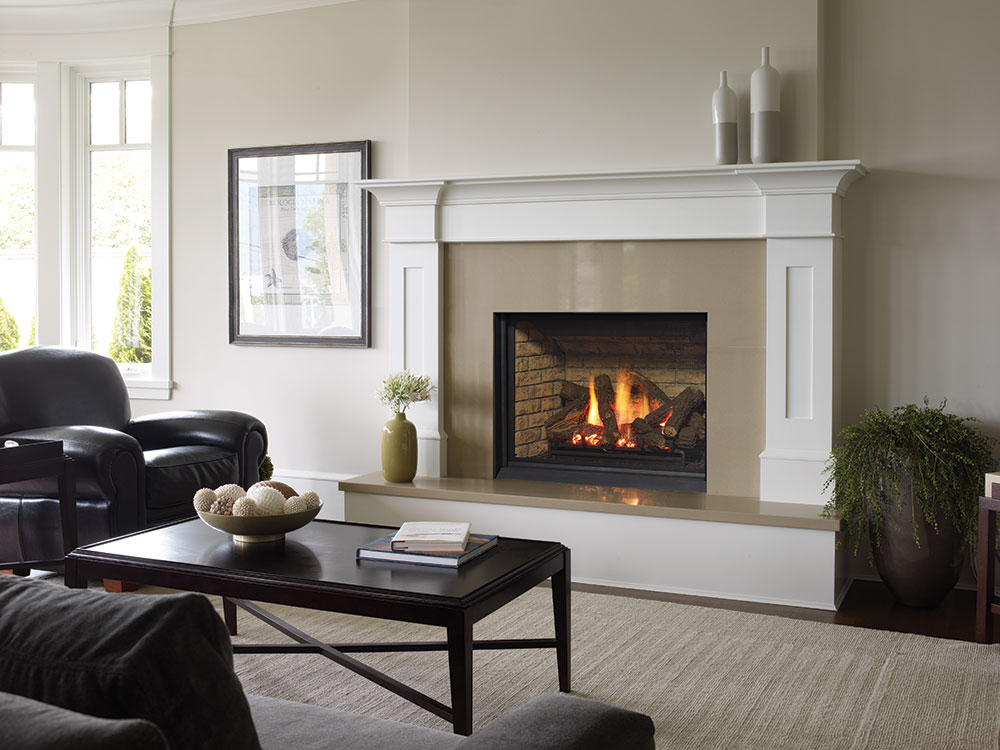
I’ve spent enough winters around chimneys to appreciate the peace that comes from a system you can trust. The best fires burn hot, clean, and without drama. Whether your home glows with a crackling log, the steady flame of a gas fireplace, or the quiet light of an electric fireplace insert, a thoughtful pre-winter inspection is the quiet hero behind that comfort. Choose a qualified chimney cleaning service, ask good questions, and fix small issues while they are still small. When the first cold night arrives, you’ll be ready to enjoy the warmth rather than worry about what’s happening in the walls you can’t see.